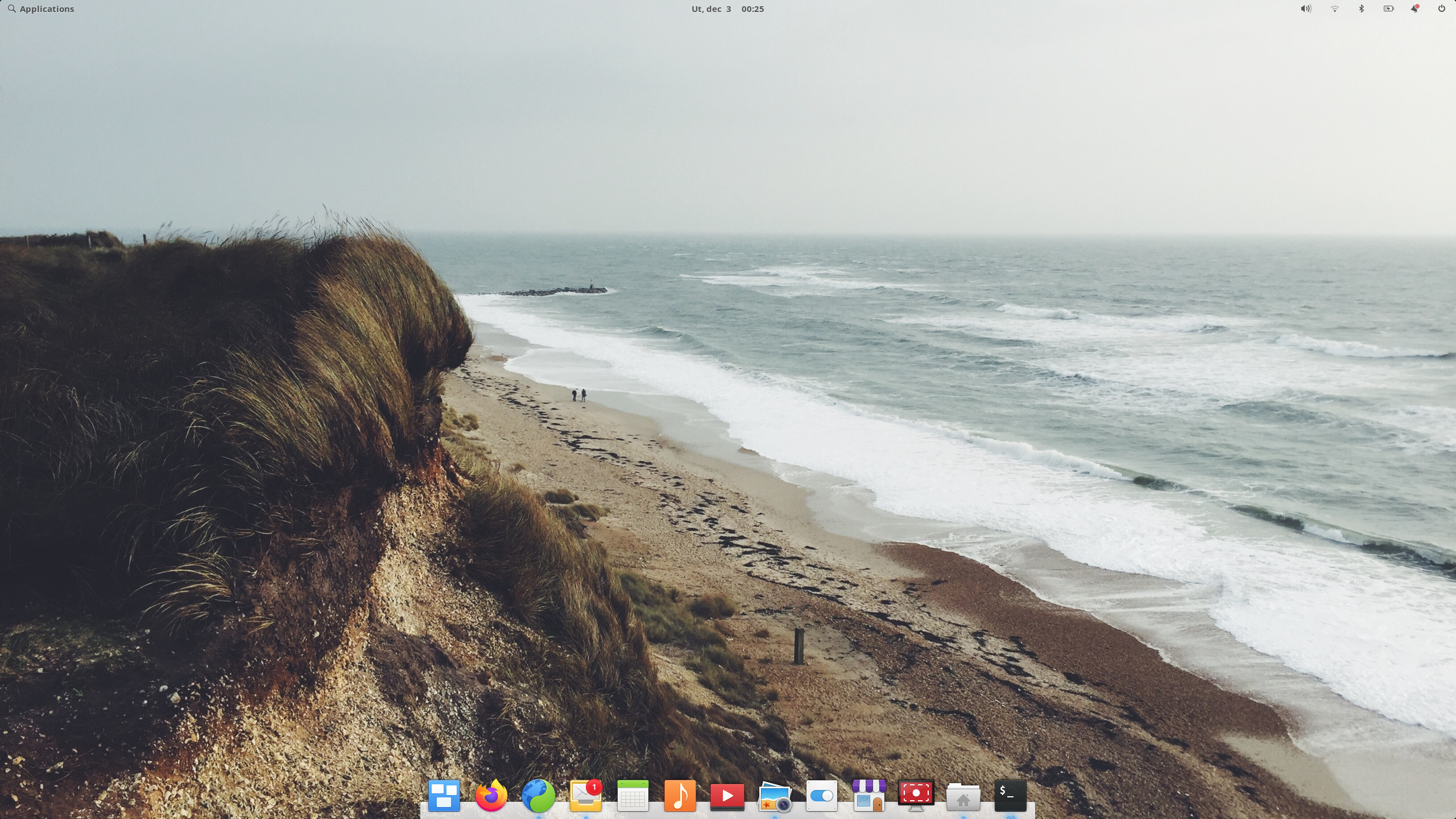
ElementaryOS 6 Odin

Since I haven’t written anything in a while, much less a comprehensive distribution review, a little updated background info is in order. In past years, I’ve toned down my “Linux on everything” push and went slightly more practical in my day-to-day life. I probably will write a short story on my transformation from an obsessed FOSS-only zealot to a privacy-minded, practicality-inclined user of whatever tool fits the best. I still use Ubuntu 20.04 on my workstation at the office, various Ubuntu LTS releases on my servers and a few months ago, I installed Fedora 34 on my home-office workstation (long-term review coming), but I’ve switched from a Thinkpad X1 Carbon Gen 3 with a distro-du-jour to an M1 Macbook Air running unsurprisingly macOS Big Sur. I’ve also had the unfortune to support a bunch of Windows 10 desktop, so I think I can at least compare various desktop operating systems and measure their merit. That being said, I must admit, I haven’t felt the need to write anything about new releases for the past year or so, since apart from Gnome 40 in Fedora 34, nothing really tickled my interest, and I’m holding on my review of that huge upgrade until I can try it out in a reasonably stable beta of Ubuntu 21.10. Anyways, back to the distro at hand. ...
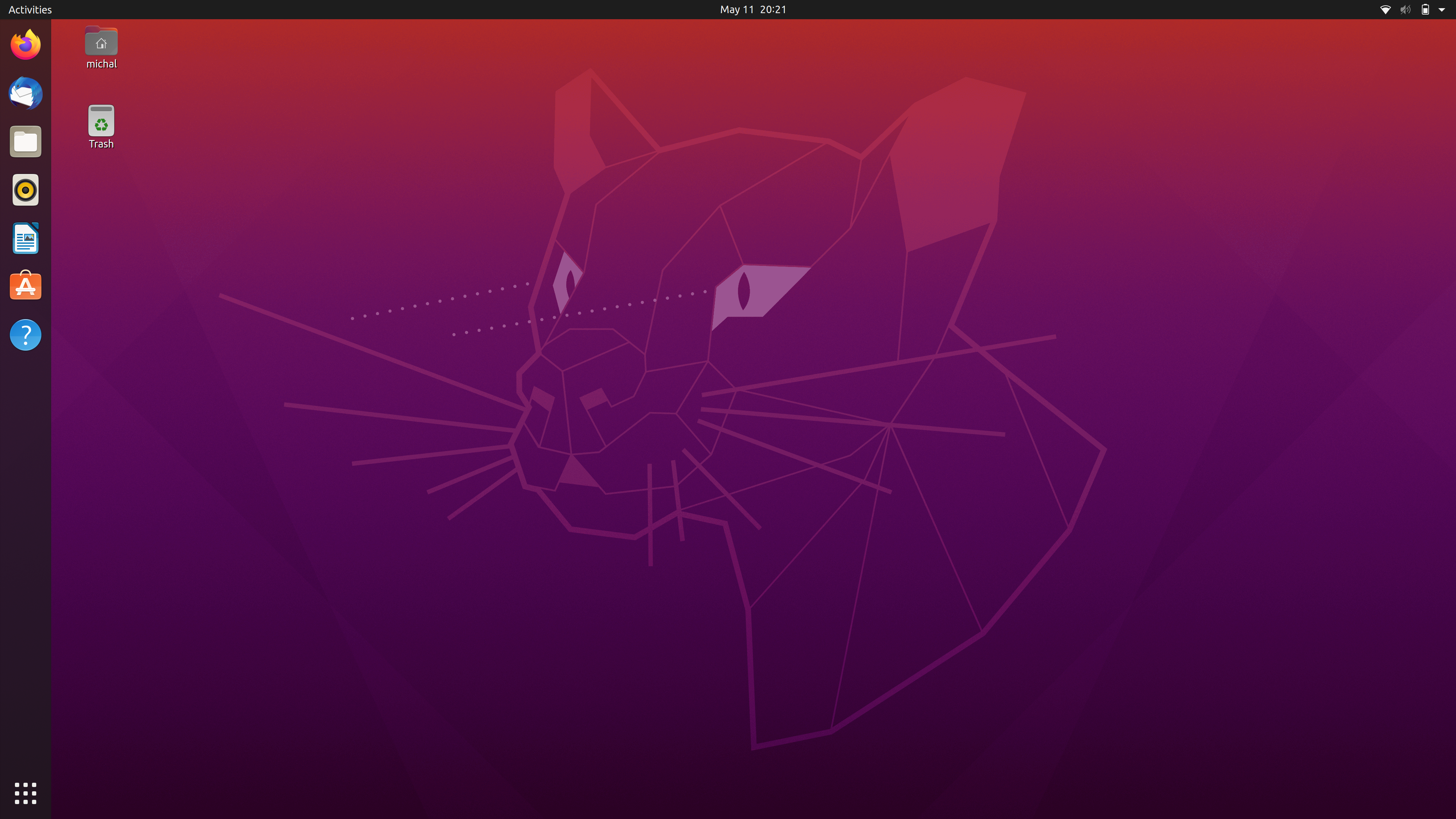
Ubuntu 20.04 Focal Fossa Mega Review - A complex look at the state of Ubuntu

As somebody who’s always had Ubuntu in his daily life for the past 13 years, I sometimes find it hard to differentiate between all the versions. I do appreciate the progress though, albeit I’ve felt like the direction Ubuntu was taking was going to force me to abandon it eventually. Lately, though, I’ve enjoyed the increased polish and speed improvements of Gnome 3.36 dabbled with snap packaging, understood its “raison d’etre” and had the opportunity of participating in an Canonical hosted webinar for press to pose some questions. ...

elementary OS 5.1 Hera

When I received the newsletter letting me know that in just a few days, there would be a new point release of elementary OS, I’ve had mixed feelings. I was happy that the project I find very endearing is chugging along nicely, but I knew it would be a tough review to write. The problem with elementary OS is, that in this last release, the team behind it has been trickling down bug fixes and new features (such as the new login greeter). For this reason, it is very hard for me, as a daily user of this Linux distro, to make a clear distinction between the previous version, Juno, and this new version - codenamed Hera. I guess I’ll have to try to approach this review as if I was a completely new user, seeing the OS for the very first time. ...

Fedora 31 Review

Most people know me as a long-time Gnome hater. I admit, I’ve been hard on it, but once in a while, I do try to challenge my own views by diving into stuff I didn’t appreciate at first. For this reason, I’ve decided to give Fedora 31 some time to shine on my primary laptop. Of course, as a long-time Linux (usually Ubuntu) user, I wasn’t unfamiliar with Gnome, but I’ve never tried to use it without pulling down dozens of extensions, themes and performing a plethora of modifications and fine-tuning. This time, I’ve decided to try and see things as Gnome devs want us to. After more than a month of use, I admit I’ve warmed up to it, but I still see some glaring issues with their choices. ...

Manjaro 18.10 (KDE Edition) Non-Review (2019)

Manjaro is a strange beast. It’s a distribution based upon the memetic Arch Linux. That doesn’t mean it’s BFU-hostile, though, or that you have to set it all up from scratch. In fact, Manjaro is an easy to setup distro you could install for your grandparents and sleep soundly knowing they will always have the (almost) bleeding edge software, with a eye-catching minty theme on top. Of course, you’d have to first instruct them to install the upgrades whenever the Octopi Pamac software manager pops up with a notification, otherwise it could fall victim to the classic rolling-release death trap of updating after too much time has passed. So what’s the difference between Manjaro and other user-friendly distros? ...

Ubuntu Budgie 19.04 Review

This review is one of the longest in the making ever since starting this blog. I’ve been using Ubuntu Budgie on my desktop workstation even before I’ve installed Xubuntu 19.04 on my main laptop for it’s review. From day one, I kinda liked it, making in my eyes a ton more sense than Gnome Shell and thus entering the ranks of superior GTK3 desktop implementations. Pantheon. please make room for your new roommate! ...

Xubuntu 19.04

If there is a desktop environment that I always somehow evaded, it’s XFCE. I’ve always thought that I had my DEs well categorized – Unity was awesome, but misunderstood and limited to Ubuntu, Gnome 2 / MATE was/is featureful, but it’s widgets and applets crash constantly, LXDE brought new life for computers with less than 512MB RAM, KDE was bloated and Gnome 3 was meant for the weird unfulfilled future, where all laptops sport a touchscreen and GNU/Linux has great drivers. In the last couple of years, these categories got mixed up and often switched entirely and we’ve got a bunch of new and exciting DEs waiting just a few keystrokes away from our computers. ...

KDE Neon (18.04) Review

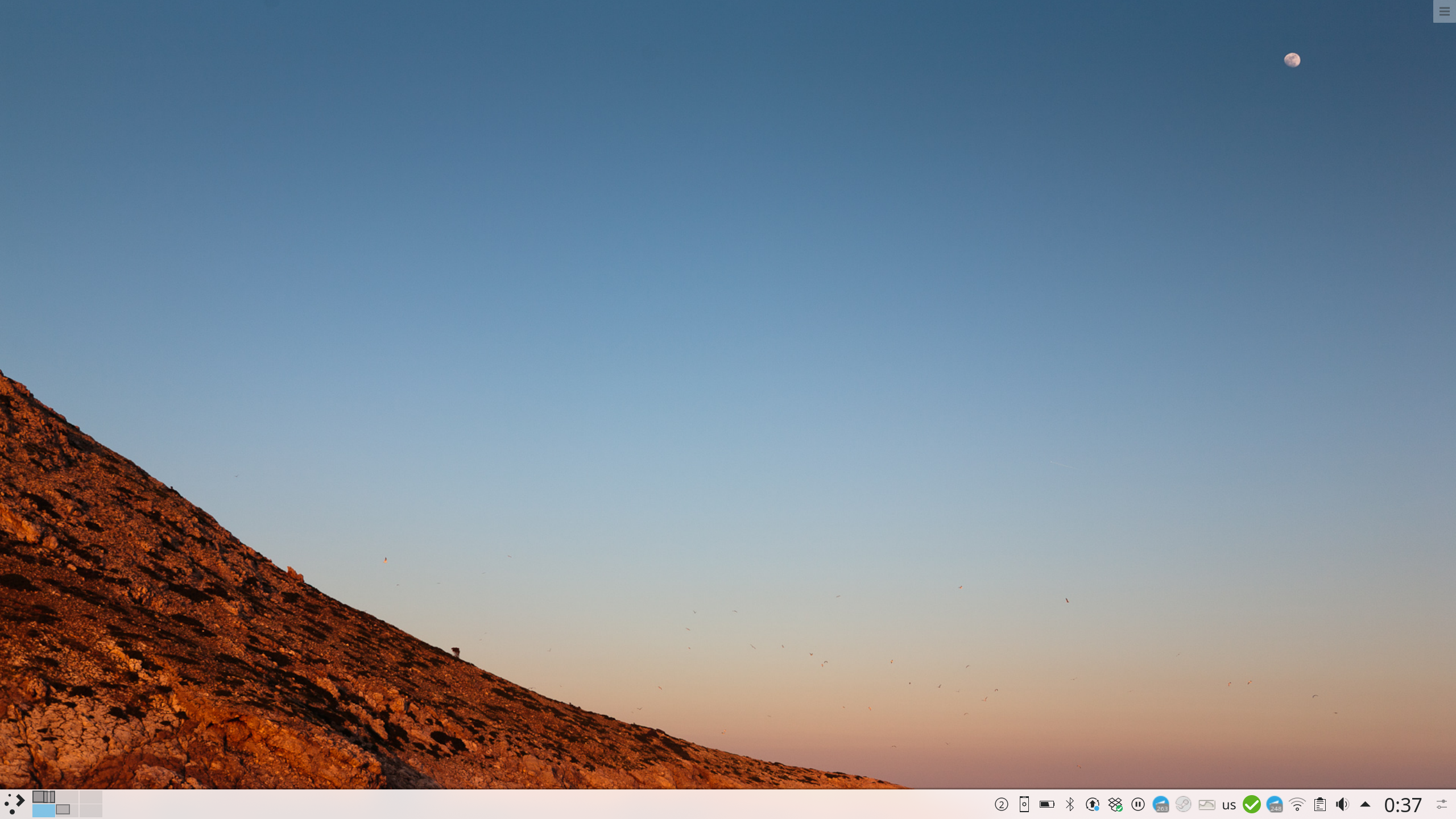
My very first experience with KDE was back in the day of Ubuntu 7.10, with KDE 3. I quickly got overwhelmed by the breadth of settings, it’s modularity and default look similar to Windows platform, from which I had just escaped. Source: By Rbuj – Own work, GPL, https://commons.wikimedia.org/w/index.php?curid=7014393 It only took me a few days, before I switched back to Gnome 2 and haven’t looked back until a couple years ago, when Canonical, much to my dismay, announced they were dropping Unity for Gnome 3. That was when I first installed KDE Neon based upon Ubuntu 16.04 and used it for several months. A few months ago, I have decided to give KDE another go and I kept using it to this day on my main laptop computer. What is KDE anyways? It is a Linux desktop environment, based on Qt Framework, as opposed to GTK Framework, used in most other DEs – Gnome, Pantheon, Cinnamon, Mate, etc. In it’s current incarnation, the KDE Plasma 5, it is very lightweight, snappy and clean-looking. It is inherently very modular and can be reshaped to pretty much any look and feel you’d like. However, because of this customizability, it is often looked at as hard to set up and is less widespread than it’s younger cousin. ...

ElementaryOS Juno Review

Desktop I’ve spent a long while thinking about the right words to start off this review. It has been long time coming and you might say, it’s been coming since the first time I’ve heard about this distro. Considering all that, I decided that the best way to start would be with the eyecatching first look of this flawed beauty. It is a strange thing though, because even though I really dislike MacOS look and feel, I find ElementaryOS UX very appealing. Even so, that it made me forgive the OS some shortcomings I may have harder time biting through otherwise. ...